|
Themenwebsites
Medizin A - Z
im Info-Netzwerk
Medizin 2000
2.1.2026
|
|
|

Quelle:
Konferenz der American Heart Association
Mit
Plastikstütze gegen den Herztod
Neue, innovative Therapie bei lebensbedrohlicher Herzmuskelschwäche:
Plastik-Stützstrumpf fürs Herz
von Jochen Kubitschek
Patienten, die unter einer schweren Form einer chronischen Herzmuskelschwäche
leiden - die Ärzte sprechen von einer Herzinsuffizienz - haben
eine ähnlich hohes Sterberisiko wie Krebspatienten. Die Mehrzahl
stirbt nach der Diagnosestellung innerhalb der nächsten fünf Jahre.
Besonders im Spätstadium - wenn alle medikamentösen Möglichkeiten
(z.B. ACE-Hemmer, Diuretika und Betablocker) längst ausgeschöpft
sind - bleibt oft nur noch die Hoffnung auf ein Spenderherz. Doch
medizinisch erforderliche Herztransplantationen scheitern auch
in Deutschland oft daran, daß bei weitem nicht genügend Spenderherzen
zur Verfügung stehen. Daher sterben die meisten auf den Wartelisten
stehenden Patienten bevor der erlösende Anruf von EUROTRANSPLANT
kommt.
Dieser weltweit zu beobachtende dramatische Engpaß könnte nun
durch ein vergleichsweise simples, aus Polyester hergestelltes
mechanisches Hilfsmittel überbrückt werden, das vielleicht sogar
die zunehmend als Überbrückungshilfe bis zur Herztransplantation
eingesetzten mechanischen Pumphilfen ("künstliches Herz")
überflüssig machen kann.
Eine amerikanische Forschergruppe um den Kardiologen Dr. Douglas
Mann, Baylor College of Medicine, hatte an 29 nordamerikanischen
Kliniken bei herzinsuffizienten Patienten einen chirurgisch nicht
sehr anspruchsvollen Eingriff durchführen lassen, der zu sensationellen
Besserungen des Befindens der Patienten führte.
In der Brustwand wird ein vergleichsweise kleiner Einschnitt vorgenommen
durch den der an ein elastisches Fischnetz erinnernde Plastikschlauch
über den krankhaft vergrößerten Herzmuskel gestülpt wird. Dort
verwächst er schnell mit der Oberfläche des Herzmuskels und gibt
dem Herzmuskel durch die Elastizität der aus Polyester hergestellten
Netzstrukturen zusätzlichen Halt. Durch den Druck von außen wird
der geschwächte Herzmuskel befähigt , mehr sauerstoffarmes Blut
in die Lungen, bzw. sauerstoffreiches Blut in die Körperperipherie
zu pumpen. Bei den erfolgreich behandelten Patienten nimmt die
Atemnot sowie die Schwäche und Müdigkeit ab, die die Patienten
ans Bett fesseln. Die Forscher bemerkten sogar, dass sich die
krankhafte Vergrößerung des Herzmuskels (remodeling des Myokards)
nach dem Eingriff deutlich zurückbildete.
Etwa 150 herzinsuffiziente Patienten, die dieses Kunststoffnetz
eingesetzt erhielten, fühlten sich nach dem kleinen operativen
Eingriff deutlich besser. Alles in allem besserte sich die Leistungskraft
des Herzens um bis zu 75%. "Das ist viel mehr als wir bei
diesen schwerstkranken Patienten jemals mit den bisher verfügbaren
Therapieoptionen erreichen konnten", teilte Dr. Mann der
Öffentlichkeit anläßlich der diesjährigen Konferenz der American
Heart Association in New Orleans mit.
Allein in den USA leiden rund 5 Millionen Menschen unter einer
Herzinsuffizienz. Etwa 1 Million davon sind so schwer krank, daß
die medikamentöse Therapie nicht mehr ausreicht, um eine halbwegs
akzeptable Lebensqualität zu gewährleisten. Diese kommen für den
neuartigen Eingriff in Frage. Auch für Europa ist diese neuartige
Therapie interessant: Derzeit leiden diesseits des Atlantiks mehr
als 3 Millionen Patienten an einer an einer chronischen Herzinsuffizienz.
Die Therapiekosten liegen allein in Deutschland pro Jahr bei etwa
auf 5 Mrd. EURO.


Study
Says Mesh Stocking Can Help Weak Hearts Pump Blood
Published: November 8, 2004
NEW ORLEANS, Nov. 7 (AP) - A mesh stocking pulled up over the
wide bottom of a weak heart can help it pump better and even
shrink back to a more normal size, according to a study described
Sunday at an American Heart Association Conference here.
About 150 heart failure patients who received this simple device
felt better, were less likely to need heart transplants or other
operations, and improved in other ways when compared with people
who did not get the fabric wrap, the researchers said.
"There was a 75 percent overall improvement," said
Dr. Douglas Mann, a cardiologist at the Baylor College of Medicine
who led the study for the device's maker, Acorn Cardiovascular,
and reported its results on Sunday. "This does more than
any existing therapy that's out there today."
Several experts said the surgically implanted polyester stocking
could fill a gap for people who were not helped by drugs or
pacemakers and who did not want, or could not have, a mechanical
heart pump or an organ transplant.
"We have little to offer surgically," said Dr. Timothy
Gardner, a heart surgeon from the University of Pennsylvania
who had no role in the study. "There's a lot of interest
in this kind of simple technique."
The heart wrap is still experimental. But Acorn Cardiovascular,
of St. Paul, already has approval to sell it in Europe and plans
to seek approval from the federal Food and Drug Administration
early next year.
The stretchy mesh device looks like fishnet hose but acts like
support stockings. It requires no batteries or moving parts.
Once placed around the heart through an incision in the chest,
the mesh sticks to it and becomes a permanent implant.
Heart failure occurs when the heart is weak or damaged and cannot
pump effectively. It enlarges to accommodate the extra blood,
and fluid can back up into the lungs, leaving people short of
breath and tired all the time. Patients usually grow progressively
weaker, and most live only about five years after diagnosis.
About five million Americans have heart failure, and more than
a million have the moderately severe type that might be helped
by the wrap.
"There are many patients in this class who are progressing
and don't have good treatment options," said Dr. Spencer
Kubo, Acorn's medical director.
The study included 300 patients at 28 hospitals in the United
States and one in Canada.
|
[an error occurred while processing this directive]
Werbung im Info-Netzwerk Medizin 2000
Nachfolgend haben im Gesundheitswesen tätige Personen, Organisationen und Unternehmen die Möglichkeit,
über ihre besonderen Kompetenzgebiete, Produkte und Dienstleistungen
zu informieren , bzw. für diese zu
werben.

Anzeige
Weltweit helfen viele ehrenamtlich tätige
Idealisten mit Hilfe der
kostenlosen Smartphone-App Be My Eyes sehbehinderten,
bzw. blinden Menschen - innerhalb weniger Sekunden und in über hundert Sprachen - die Tücken des Alltags besser zu
meistern.
mehr lesen
(WIKIPEDIA in deutscher Sprache)
Anzeige
Was Sie schon immer über die
Antibabypille
wissen wollten
Das Angebot an oralen Kontrazeptiva (die "Pille") ist groß. Jede Frau hat daher die Möglichkeit, sich die zu ihrer Lebenssituation passende
Antibabypille verordnen zu lassen.
Quelle:Info-Netzwerk Medizin 2000-de, www.antibabypille.info, 2025

Nicht invasive Analysen der Ausatemluft helfen bei der Diagnostik und dem Therapie-Management
von Atemwegserkrankungen wie Asthma und COPD.
Das
Medizintechnik-Unternehmen
Specialmed hat sich auf Atemgas-Analysen spezialisiert und bietet
Therapeuten und betroffenen Patienten kleine,
leicht zu bedienende
Atemgas-Analyse-Geräte an.
Schwerpunkte der Anwendung sind der zum
Management einer Asthma- und COPD-Therapie geeignete
FeNO-Atemtest
- und
der
H2-Atemtest
der eine schnelle und unkomplizierte Diagnose einer
Laktose-Unverträglichkeit dient.
Nützlich ist auch der ToxCO-II- Atemtest,
da er die Erkennung von
leicht zu übersehenen, lebensbedrohlichen Kohlenmonoxid-Vergiftungen
ermöglicht.
Dieser Test unterstützt auch die
Rauchenentwöhnung
und senkt bei
Ex-Rauchern das ständig vorhandene Rückfall-Risiko.
Wichtige Info-Links:

Anzeige
Es gibt keine allgemein wissenschaftlich anerkannten Regeln welche Lebensmittel
in welcher Kombination, bzw. Menge gesund sind - und welche nicht.
Man kann den Eindruck gewinnen, dass jeder "Experte" eine individuell unterschiedliche Auffassung
von bestimmten Themen hat . Die wissenschaftlichen Erkenntnisse widersprechen einander und
die Ansichten variieren erheblich. Auf der Website
www.medizin-2000.de/gesunde-ernaehrung versuchen wir unsere Besucher durch unvoreingenommene Informationen in die Lage zu versetzen, sich trotz des
vorherrschenden Datenchaos ein praxistaugliches eigenes Urteil zu bilden.

Anzeige
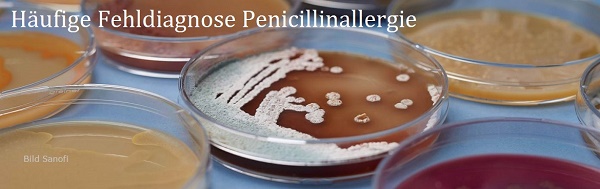
Die angeblich weite Verbreitung von
Penicillin-Allergien, behindert die medikamentöse Behandlung von bakteriell bedingten Infektionen.
Die vom Patienten erinnerte Diagnose wird
selten überprüft und ist oft (bis
zu 90%?) falsch.
Sie führt zum unnötigen Einsatz
von teuren Reserve-Antibiotika und
fördert die Entwicklung weiterer Antibiotika-Resistenzen.
Preisgünstiges Penicillin könnte
nach erfolgtem Test, ohne Nebenwirkungen befürchten zu müssen, verordnet werden. Die
häufige Fehldiagnose
"Penicillin-Allergie"
führt zum unnötigen,
kontraproduktiven Einsatz teurer Reserve-Antibiotika. Auf der Website
www.allergietherapie.de/penicillinallergie
können sich Betroffene weiter informieren.
|
|
|

 zum Seitenanfang
|
|
|
[an error occurred while processing this directive]
|
|